
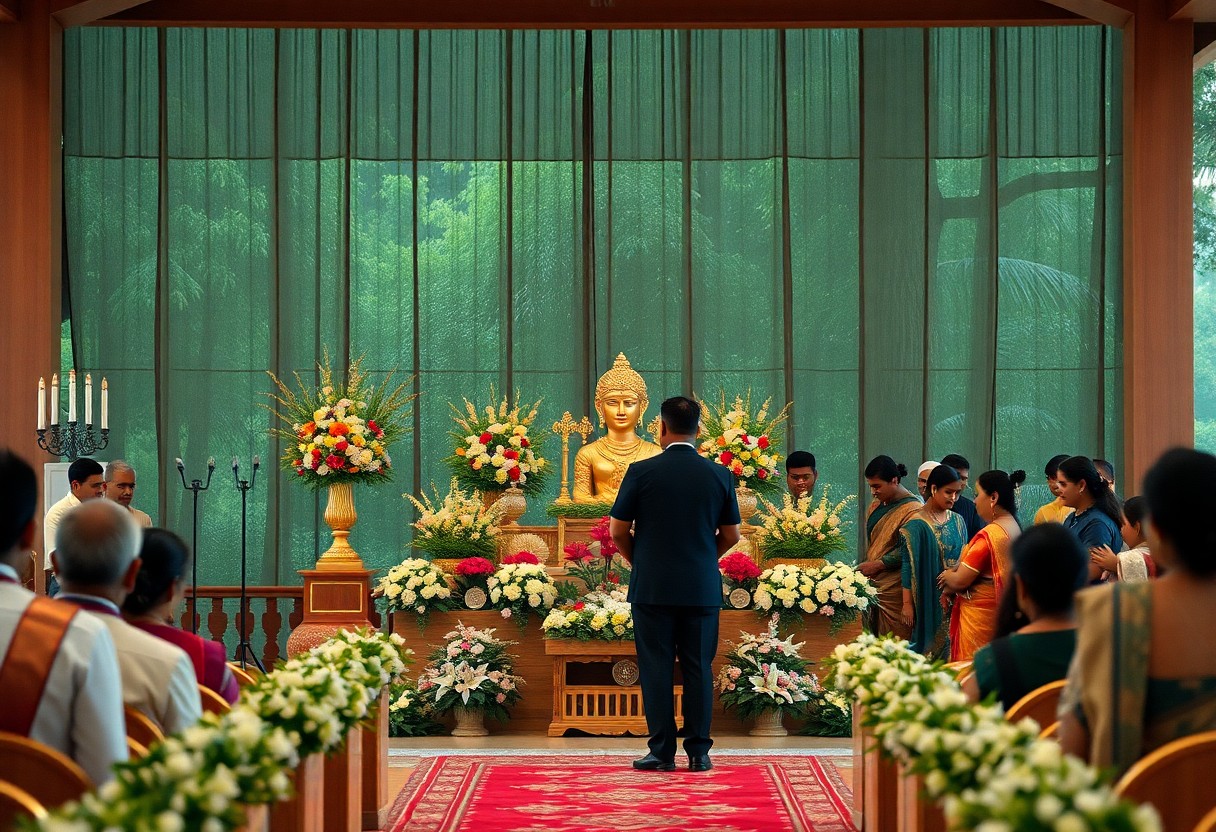

With the emotional weight of losing a loved one, it’s easy to overlook important details during funeral arrangements. You may find yourself making decisions under pressure, leading to common missteps that can cause unnecessary stress and complications. Understanding these pitfalls can help you navigate the process more smoothly, ensuring that you honor your loved one while also considering your family’s needs and wishes. This post will guide you through frequent mistakes families encounter and how to avoid them for a more meaningful farewell.
The Emotional Toll: Ignoring Grief and Its Impact
The Stages of Grief and Funeral Planning
Your family may find itself navigating a complex landscape of emotions when making funeral arrangements.While grieving, it’s common to experience a range of feelings categorized into stages: denial, anger, bargaining, depression, and acceptance. Each member may be at different stages, leading to misunderstandings and conflicting decisions. For instance, you might find one family member in denial about the loss, while another is focused on practical aspects of the arrangements. This misalignment can create tension at a time when unity and support are paramount.
The Importance of Support Systems During Arrangements
Financial Oversights: Missteps in Budgeting
Unforeseen Costs and How to Prepare for Them
In the landscape of funeral arrangements, families often overlook the potential for unforeseen costs that can arise unexpectedly. Factors such as additional services, special requests, or even last-minute changes can inflate your original budget significantly. For instance, if you decide to upgrade to a more elaborate casket or opt for a more extensive memorial service, these enhancements can lead to a financial strain. By budgeting for approximately 15-20% more than your estimated total, you can cushion your finances against these surprises and alleviate some of the stress that typically accompanies planning a funeral.
Equipping yourself with insight into these costs also involves thorough discussions with funeral service providers. Make a checklist of potential services offered and their associated fees. Common additional expenses that families face include flowers, transportation, and obituary notices, which can collectively amount to hundreds or even thousands of dollars. Approaching funeral arrangements with a flexible mindset while remaining aware of these possible expenditures can prevent feelings of regret or a sense of being overwhelmed.
The Pitfalls of Not Comparing Funeral Service Providers
Failing to compare funeral service providers can lead to costly decisions that may not reflect the best value for your needs. Different funeral homes offer a variety of packages, each with differing levels of service and amenities. If you settle on the first provider you contact, you might miss out on more favorable pricing or critical service options available elsewhere. Take time to gather quotes from several providers to evaluate not only costs but also the quality of service and the emotions involved during such a significant time.
| Service Packages | Includes crucial services like transportation, casket, and memorial service. |
| Pricing Transparency | Look for clear breakdowns of costs to avoid hidden fees. |
| Reputation and Reviews | Research ratings and testimonials to gauge past client satisfaction. |
| Flexibility in Arrangements | Some providers may offer customizable options to fit your needs and budget. |
Understanding the varying services and their prices can empower you in the decision-making process. If you choose a provider based solely on convenience without evaluating several options, you might find yourself overspending or getting services that don’t fully meet your expectations. Spending an hour or two researching can save your family considerable amounts in the long run, proving that a few comparisons yield valuable insights into the diverse offerings within your area.
The Responsibility of Roles: Family Dynamics in Planning
Navigating Family Disagreements on Arrangements
During the emotional turmoil of planning a funeral, differing opinions can easily lead to conflict among family members. Individual perspectives on the deceased’s wishes, religious customs, and financial capabilities may clash, creating a tense environment. To ease this tension, you might consider holding a family meeting in a neutral location or online, where everyone can express their thoughts and feelings without confrontation. Establishing ground rules for respectful listening and allowing each person to have a voice fosters a collaborative atmosphere and can lead to more harmonious decisions.
It’s beneficial to appoint a neutral facilitator, such as a close family friend or a trusted member of the clergy, who can help guide the conversation. This person can remind attendees of the shared goal—to commemorate the life of your loved one respectfully and meaningfully. Addressing disagreements early on can prevent larger rifts that may surface if unresolved. Emphasizing cooperation over competition among family members creates a shared sense of responsibility and unity, which is vital when making arrangements.
Assigning Tasks: Who Does What in the Planning Process
Efficiently dividing responsibilities can alleviate stress and streamline the planning process, so it’s vital to establish clear roles within your family. You can assign tasks based on each person’s strengths, interests, and availability. For instance, one family member may be adept at managing finances and can take charge of budgeting, while another could handle coordinating with the funeral home. This way, everyone is contributing to the process, but in areas where they can be most effective.
Creating a checklist that outlines specific responsibilities is also a valuable strategy. Each person should be aware of their duties and the timeline for completing them. Regular check-ins can help everyone stay informed and supportive of each other’s progress. When tasks are clearly delineated, it encourages accountability and reduces the likelihood of vital details slipping through the cracks.
Consider maintaining an evolving task list that allows for adjustments as circumstances and discussions unfold. Staying flexible can help address any inevitable changes or setbacks, promoting collaboration and understanding among family members. By establishing clear expectations while allowing for adaptability, you can create a more cohesive planning experience, making emotional engagements surrounding the funeral feel a little less burdensome.
Miscommunicating Wishes: Clarity in Pre-Arrangements
Understanding the Deceased’s Preferences
Vague discussions about end-of-life wishes can lead to confusion and disagreements among family members during a challenging time. You might think that your loved one expressed a desire for a certain type of ceremony or burial, but without clear documentation or conversations, those preferences risk being misinterpreted. For example, a person may indicate they want a simple service, but what that means can vary significantly from one family member to another. One might envision a brief gathering, while another assumes a more elaborate affair. Taking the time to thoroughly understand and document these wishes can spare your family unnecessary heartache and prevent potential conflict.
There’s also the risk that the preferences of the deceased are not well-known to everyone involved. If only a few family members are aware of certain wishes, it becomes easy for decisions to be made that contradict the deceased’s hopes. Consider the case of a family who found themselves divided over whether to hold a cremation or traditional burial after the death of their matriarch. While some had strong feelings about honoring her wishes based on past conversations, others weren’t privy to those details and assumed they knew better. Your family can protect against such discord by ensuring everyone’s on the same page regarding the deceased’s preferences.
The Risks of Assuming Decisions Without Discussion
Making assumptions about the wishes and needs surrounding funeral arrangements without discussing them with all involved parties can result in disputes that overshadow the grieving process. You might feel certain that your interpretation of the deceased’s desires is correct, but others may feel differently, leading to potential arguments and resentment. For instance, a family member might assume that a straightforward cremation is what everyone would prefer, only to find out that others were leaning towards a more traditional service, creating a rift among those who are grieving together.
Assuming decisions can create a snowball effect that spirals into larger issues. A lack of open communication often leads to misinterpretations and could result in significant financial implications — like choosing options that might not align with the family’s budget or honoring the deceased’s legacy in ways that seem disjointed. For example, if one person decides to splurge on an extravagant casket without checking with others, the resulting financial strain could cause resentment among family members who may feel excluded from the conversation or burdened by the costs. Ensuring that all relevant parties are consulted and involved in the decision-making process fosters a supportive environment where everyone feels respected and valued.
Skipping Vital Details: Overlooking the Personal Touch
The Role of Personalization in Funerals
Adding personalized elements to a funeral service can significantly enhance the experience for attendees. Personal touches—such as favorite songs, photos, and memorabilia—can bring a sense of connection and help illustrate the unique personality of your loved one. For instance, incorporating a display of their hobbies or interests, like sports memorabilia or artistic creations, transforms a standard service into a heartfelt tribute that resonates with those who gather to remember them. Such details not only honor the deceased but also provide comfort to grieving family members and friends.
Consider the positive impact of sharing personal anecdotes during the eulogy or inviting close friends to speak about their memories. Doing so enriches the atmosphere, turning a somber event into a celebration of life. Far from being mere decorative additions, these personal touches can create a narrative that reflects the essence of the individual being celebrated, fostering a deeper emotional connection among attendees.
Rituals and Traditions that Matter
Cultural and familial rituals add depth to the funeral experience, providing a framework through which loved ones can express their grief. Including traditional rites—such as lighting candles, sharing stories, or performing specific prayers—can offer solace and help guide attendees through their mourning process. Engaging in recognizable practices can also be a source of comfort, reminding attendees that they are not alone in their grief but are part of a larger community that understands and respects these customs.
For those who might enter uncharted territory regarding such rituals, research surrounding cultural practices can be helpful. For example, many cultures observe a wake or vigil prior to a funeral to allow family and friends time to come together, grieve, and share memories. This gathering not only serves to honor the deceased but also fosters support among mourners, creating bonds strengthened through shared experiences. Following these traditions, even if you are unsure about some aspects, can bring a sense of stability in a tumultuous emotional time.
Incorporating rituals and traditions that resonate can create a space for healing and connection. Reflect on your family’s customs as you plan the service and consider how those practices can be interwoven with personalized elements to create a comprehensive tribute while also addressing the emotional needs of those who are mourning.
Last-Minute Decisions: The Dangers of Rushing
The Impact of Stress on Critical Choices
In times of grief, stress can cloud your judgment, leading to decisions that may not align with what your loved one truly wanted. The whirlwind of emotions combined with the pressing need to arrange a funeral service can result in hasty choices. For instance, opting for a more expensive casket or service package simply because it’s the first available option can strain your budget and may not reflect your loved one’s wishes. Under pressure, it becomes easy to overlook vital details, such as selecting readings or music that truly embody their spirit.
A rush in decision-making could also lead to overlooking important logistical details, like securing a venue that fits your budget or accommodating the guest list. Your loved one’s memory deserves a thoughtful tribute rather than a hurried arrangement that may leave you second-guessing your choices later. This added layer of regret can further complicate the healing process, making it necessary to approach the planning with clarity rather than urgency.
Planning Ahead: The Benefits of Organizing Early
Starting the planning process early can significantly alleviate stress during a difficult time. By anticipating the needs associated with arranging a funeral, you allow yourself the necessary space to gather your thoughts, reflect on your loved one’s preferences, and coordinate with family members effectively. Many families find that discussing funeral arrangements in advance fosters connection and ensures all voices are heard, resulting in a service that feels personal and genuine.
When you allocate time to plan, you open the door to explore various options without feeling hurried. You can shop around for funeral services that align with your budget while investigating various venues and personalization elements that would honor your loved one. Early planning can also create an opportunity to pre-arrange services or even lock in prices, protecting your family from inflation or unexpected costs. Establishing these details in a calm mindset shields you from the chaos of last-minute decisions and ultimately contributes to a more meaningful farewell.
Moreover, having arrangements in place allows your family to focus on mourning and celebrating the life of their loved one without the burden of logistical stress weighing them down. Engaging in these conversations early empowers you to create a funeral service that is a sincere reflection of who they were, ensuring that even in their absence, their spirit continues to shine through the care you put into those plans.
Technology and Tradition: Blending Modern Solutions
Utilizing Online Resources for Arrangements
Modern technology has transformed the way families approach funeral arrangements. From scheduling services to selecting caskets, many tasks can now be completed online. Websites dedicated to funeral planning allow you to compare services, prices, and options at your own pace, providing a level of convenience not previously available. Using these resources can help you gather important information without the pressure of face-to-face meetings, allowing for more thoughtful and informed decisions regarding your loved one’s farewell.
Additionally, many funeral homes now offer virtual consultations, allowing you to speak with a funeral director from the comfort of your own home. This accessibility can be especially beneficial when family members are spread out across different locations, as it creates opportunities for collaborative discussions regardless of distance. Embracing these online tools can make navigating the logistics of funeral planning easier and more streamlined.
Virtual Memorials: Pros and Cons
Hosting a virtual memorial service has become increasingly popular, particularly during times when gathering may be limited. These events offer a communal experience for friends and family who may not be able to attend in person. However, there are both advantages and disadvantages to this modern approach. Evaluating these can help you decide whether a virtual memorial is the right choice for honoring your loved one.
Pros and Cons of Virtual Memorials
| Pros | Cons |
|---|---|
| Wider accessibility for attendees regardless of location | Lack of physical presence may feel impersonal to some |
| Cost-effective due to reduced venue and travel expenses | Technical difficulties could disrupt the service |
| Ability to share recorded services with those who couldn’t attend | Not everyone may be comfortable using technology |
| Interactive features allow guests to share memories in real-time | Limited ability to create a tangible, physical atmosphere |
| Easier to incorporate multimedia elements like photos or videos | Potential for distractions in an online environment |
| Flexibility in scheduling and duration of the service | Time zone differences can complicate attendance |
| Opportunity for creative formats, such as themed gatherings | Missed opportunity for traditional rituals like receiving guests |
| Can provide a quick turnaround compared to traditional services | Potential feelings of isolation for those who prefer in-person connections |
| Easy sharing on social media expands reach | Privacy concerns regarding shared content can arise |
| Convenient for those with mobility issues | May not fulfill everyone’s expectations for closure |
Deciding whether to host a virtual memorial service involves weighing the unique pros and cons outlined above. The convenience and accessibility of online gatherings can provide solace to many who are grieving, while others may find value in traditional ceremonies that allow for in-person connections. Ultimately, you’ll want to consider the preferences of your loved one and the needs of your grieving family when making this important decision.
The Importance of Follow-Up: Transitioning After the Funeral
Grieving the Loss: Supporting Each Other Afterwards
In the days, weeks, and even months following the funeral, the grieving process can become overwhelming. It’s necessary to create a safe space within your family to openly share feelings and support one another. Scheduling regular check-ins or informal gatherings can allow family members to express their grief freely. This could be as simple as a weekly phone call or a coffee date, cultivating a nurturing environment where you can reminisce about happier memories and lend emotional support during tough moments.
Consider engaging in activities that honor the deceased’s memory. Creating a family scrapbook, hosting a memorial dinner, or participating in community service in their name can bring your family closer together while celebrating the life of your loved one. Implementing these strategies will not only reinforce your emotional connection but also provide comfort as everyone navigates the different stages of grief.
Managing Estate Matters and Legal Obligations
Addressing estate matters promptly can minimize stress during an already difficult time. It’s vital to gather important documents such as the will, insurance policies, and any pre-arranged funeral contracts. Organizing a family meeting can help clarify responsibilities and ensure that everyone is on the same page regarding the distribution of assets and settling of debts. It might be beneficial to consult with an attorney or financial advisor to navigate complexities associated with estate laws and obligations, particularly as regulations can vary widely from state to state.
Understanding tax implications and deadlines associated with the estate is also necessary. For example, estate taxes may need to be filed within nine months of the deceased’s date of death, depending on the total value of the estate. Delaying the management of these obligations can lead to legal complications or financial burdens, which could further strain relationships between family members. Engaging professionals, such as estate planners or accountants, can facilitate smoother transitions and alleviate some of the burdens from the family during this challenging period.
Summing up
Summing up, when it comes to funeral arrangements, many families frequently overlook imperative factors that can affect both the service and their overall experience. One common mistake is not discussing preferences and budget openly before making decisions. By engaging in these discussions early on, you can avoid potential conflicts and ensure that the arrangements reflect the wishes of the deceased as well as the needs of your family. Additionally, neglecting to ask questions or seek clarification about funeral service details can lead to misunderstandings and added stress during an already challenging time.
It’s also imperative to be aware of the emotional impact that the grief process can have on making decisions. Acting impulsively in moments of heightened emotion can lead to choices that may not align with your loved one’s true desires or your family’s beliefs. Take the time to consider your options and consult with other family members before finalizing arrangements. By approaching these plans thoughtfully and collaboratively, you’ll be in a stronger position to create a meaningful and fitting tribute that honors your loved one’s life, while also accommodating your family’s needs and values.
